¼ Cup Baklava Cups
 I’ve been craving Mediterranean food so that’s what we’re having for dinner tonight. I’m making oven-baked falafel, rice pilaf, hummus, tahini sauce, and tzatziki with all the salad fixings (olives, cucumbers, tomatoes, feta, lettuce, onions, pickles, and pepperoncini peppers). I wanted to make Baklava but I didn’t plan far enough in advance. So, I decided to create a quick and easy baklava-like pastry using frozen mini fillo shells. I named it ¼ Cup Baklava Cups because you use a ¼ cup of all the basic ingredients (honey, water, sugar, walnuts, almonds, and pistachios). To make it a little healthier, you could omit the extra sugar in the filling and the butter. To me, the ¼ teaspoon of rose flower water is essential to the recipe. Rose flower water is not the easiest ingredient to find in Huntsville, AL, but it is lovely. It reminds me of my time living in Cyprus back in my 20s. There, they baked cookies, baklava, and cakes flavored with rose flower water – they were delightful.
Probably the best place to look for rose flower water is in a Middle Eastern grocery, Mediterranean food market, Amazon.com, or a specialty food store. If you can’t find it, then orange blossom water could be substituted. Again, not the easiest ingredient to find. You can check the same stores. I think our local The Fresh Market (TFM) has orange blossom water. However, if you can’t find either ingredient, then vanilla will work. I found the mini fillo cups at Publix. It took three stores before I found them (Star Market and TFM did not have them). This recipe is really easy if you have a food processor: you make a honey simple syrup, make a nut filling, fill the shells, bake, and then chill. If you don’t have a food processor, it’ll just take a little more time to chop the nuts.
¼ Cup Baklava Cups
Syrup:
¼ cup honey
¼ cup water
¼ cup sugar
1 tablespoon butter
½ a teaspoon of freshly grated Meyer lemon peel (or orange peel, optional)
1 teaspoon Meyer lemon juice (or orange juice, optional)
¼ teaspoon rose extract (orange blossom water or vanilla would also work)
⅛ teaspoon cinnamon
pinch of cloves
Filling:
¼ cup walnuts
¼ cup almonds
¼ cup pistachios
1 tablespoon melted butter
2 tablespoons sugar
⅛ teaspoon cinnamon
pinch of cloves
Fillo Shells:
1 package 15 mini fillo shells (I used Athens®)
Preheat oven to 350º F.
Syrup: Combine the syrup ingredients and simmer for about 10 minutes on medium heat, stirring occasionally. You will end up with a nice, fragrant syrup.
Filling: Combine the nuts in a food processor and pulse 10 times. Add the butter, sugar, cinnamon, and cloves. Pulse another 10-12 times. If you don’t have a food processor, just chop the nuts and add the other ingredients. You will end up with a nice crumbly mixture.
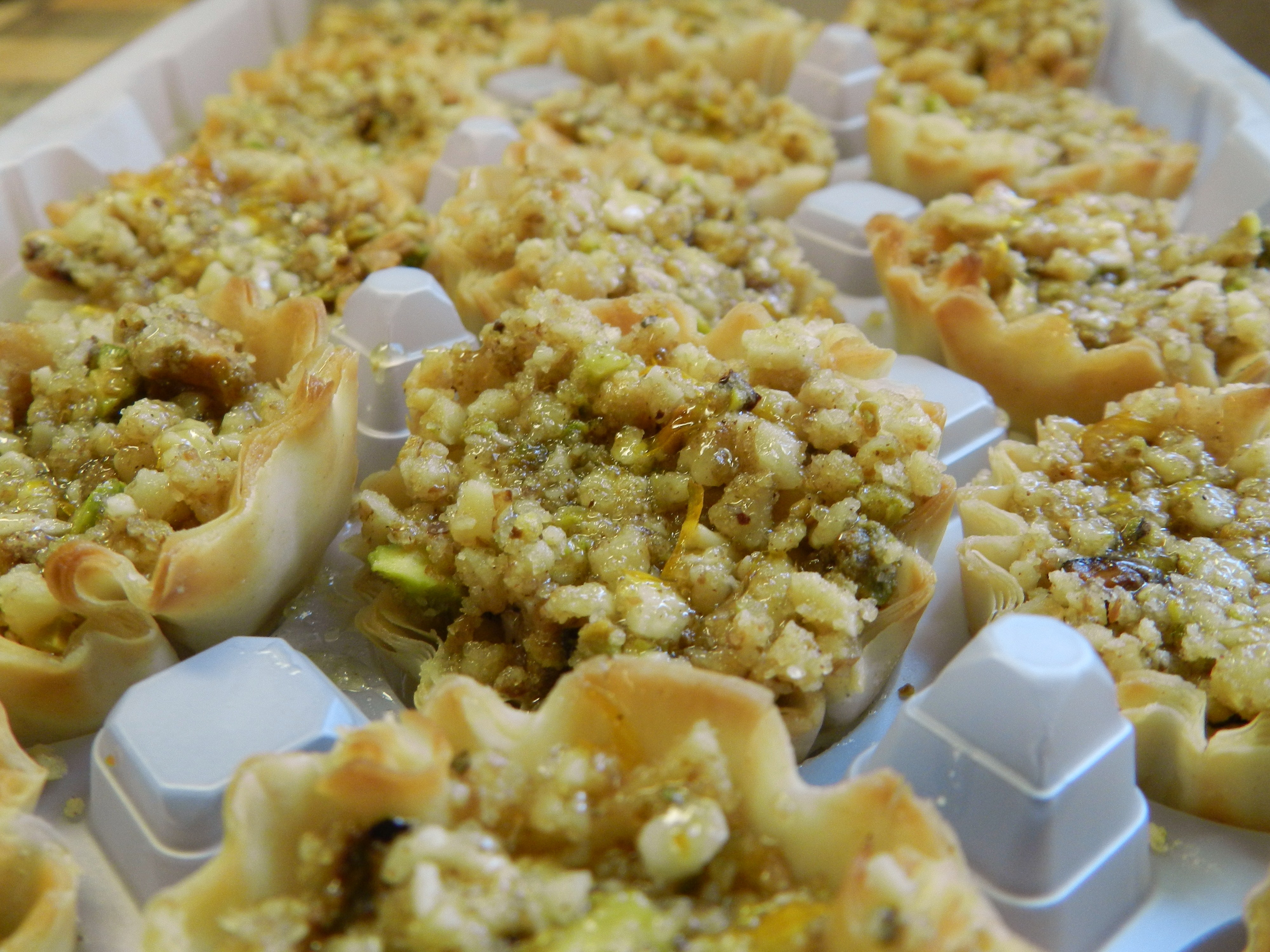
Assembly: To keep the cookie sheet neat, I filled the shells in the plastic liner from the container. Then, I transferred them to the parchment-lined cookie sheet. Fill the shells with the nut filling (about a teaspoon in each shell). Carefully spoon a half teaspoon of syrup over the pastries. Transfer the pastries to the parchment-lined cookie sheet.
Bake for about 10 minutes. Remove from the oven. Spoon the rest of the syrup over the warm pastries (about a teaspoon over each). I saved the plastic tray and the original box for storing the pastries in the refrigerator. Transfer the pastries back to the plastic tray and carefully return the tray to the box. I did this so they would stay neat and not take up too much room in the refrigerator (also, it keeps them from getting smooshed). Chill for at least 4 hours in the refrigerator. Remove from the refrigerator about 20 minutes before serving.
Hearty Gluten-Free and Vegan Breakfast Cookie Bars

Dr. Michael Moreno is the author of The 17 Day Diet. In the book, he includes a recipe for Dr. Mike’s Power Cookie. My friend Shelli tried the diet and shared the cookie recipe with me. Here is Dr Mike’s original version: http://www.the17daydiet.com/dessert/dr-mike%E2%80%99s-power-cookie/
I didn’t have some of the ingredients so I decided to wing it. My version is gluten-free and vegan. I don’t know anything about the nutritional information for my cookies, but they are tasty and seem like a healthy alternative to a regular cookie or breakfast bar. I would not use my recipe if you are actually following the 17 Day Diet, probably best to stick with Dr. Mike’s original recipe. But if you want a vegan, gluten-free version, here’s one you can try:
Hearty Gluten-Free and Vegan Breakfast Cookie Bars
½ cup unsweetened applesauce
2 tablespoons almond paste (roughly two 3/4” slices of almond paste)
1 tablespoon coconut oil
¼ cup agave nectar
1 egg substitute*
¾ teaspoon vanilla
¼ teaspoon almond extract
¾ cup gluten-free flour blend
½ teaspoon baking soda
1 teaspoon cinnamon
½ teaspoon salt
¼ teaspoon cayenne or black pepper (or a combination)
¼ cup vanilla rice bran protein powder
2 cups rolled oats (not instant)
1 cup dried fruit (I used a cherry, pomegranate, cranberry blend from Trader Joe’s.)
½ cup slivered almonds
Preheat oven to 350º degrees F. Grease a 9×9” baking pan. Mix the applesauce, almond paste, coconut oil, and agave nectar. Add the egg substitute, vanilla, and almond extract. Mix well. Stir in the gluten-free flour blend, baking soda, cinnamon, salt, pepper, and rice bran protein powder. Add the oats, dried fruit, and almonds. Mix well. Pour batter into the prepared baking pan. Really press the batter into the pan (use the back of a spatula, batter is thick and sticky). Bake for about 15 to 20 minutes or until golden brown. Remove from oven. Cool on a baking rack. Cut into squares. Store in an airtight container.
*For an egg substitute, I use Ener-G Egg Replacer. One Egg = 1½ teaspoons Ener-G Egg Replacer plus 2 tablespoons water. http://www.ener-g.com/low-protein-1/egg-substitute/egg-replacer.html
Italian Dinner Menu – Dessert!
This is the last recipe from our Italian Dinner: Apricot Almond Cake with Pine Nuts. Whew, now I can move on to something else :-). The other dessert from the dinner was a salted caramel panna cotta. I’ve already posted the recipe (you can search for it using the handy search field on the top-right of the blog). Cooking for so many people caused a few refrigerator space issues, especially with the panna cotta. I wanted to use my great-nanny’s sherbet dishes, but they were not practical because I couldn’t stack them in the refrigerator. So, I made the panna cotta in tiny jelly jars (Yay to Lewter Hardware for having the 4-ounce jelly jars). Popped on the lid, screwed on the ring, and stacked away – space issues solved! The mason jars were not only practical, but they were cute!
I wanted to serve a non-gelatin dessert, so I decided to bake a cake. Well, I couldn’t decide if I wanted to make one large cake or cupcakes. Then I decided to also bake them in jelly jars. Oh my gosh, they were cute! But like a goofball, I forgot to take a photo of the cakes. I just have a photo of the platter with all the mason jars and spoons (cakes are on the bottom row). Baking in the jars worked well, I might never make traditional cupcakes again! Here’s the cake recipe:
Apricot Almond Cake with Pine Nuts
½ cup almonds (whole, chopped, sliced, or slivered)
¼ cup pine nuts
1¼ cups all-purpose flour
1 teaspoon baking powder
¾ teaspoon salt
½ cup dried apricots, finely chopped or minced
4 eggs
1 cup sugar
1½ sticks butter, melted
⅓ cup half-and-half (or milk)*
¼ teaspoon almond extract
1 teaspoon vanilla
Optional garnishes: almonds (sliced, chopped, or slivered), pine nuts, powdered sugar
Preheat the oven to 345º degrees F. Butter and flour ten 4-ounce jelly jars or a 9” cake pan. You might need a few more or a few less. It depends on the final volume of your batter. This can be influenced by how much you beat the eggs, the humidity, most anything.
Toast the almonds and pine nuts in the oven for about 5 minutes. Ensure that they don’t burn. After they are toasted, remove them from the pan and let them cool. Cool completely. You can save some time by using nuts that are already toasted.
Combine the cooled almonds and pine nuts in a food processor and pulse until finely ground. But be careful, since this can quickly turn into nut butter (not good for this recipe). Transfer the ground nuts to a medium bowl and add the flour, baking powder, and salt. Stir well. Add the apricots and stir again. Tossing the apricots in the dry mixture will hopefully prevent the apricots from sinking to the bottom. But be aware, sometimes they just want to sink, not matter what you do. And that’s ok, because it still tastes delicious!
In a mixing bowl, beat the eggs and the sugar until it is thick and pale yellow, about 4 minutes on medium-high. Add the cooled melted butter, half-and-half, almond extract, and vanilla. Gently fold in the dry ingredients by hand. Do not over mix or you will have a tough cake.
Pour the batter into the prepared cake pan or mason jars. If you use the jars, pour the batter up to the line, like you would if you were making jelly. If you want, sprinkle the top with more almonds or pine nuts. Bake until the cakes are done and a toothpick comes out clean, about 30 to 45 minutes. Baking time depends on your oven and the size of your containers. Let the cake(s) cool on a wire rack. Sprinkle with powdered sugar before serving, if you want. This cake is even better the next day – prefect for a late breakfast with a cup of coffee!
*We usually don’t have milk at the house, but we have half-and-half for coffee. If you don’t want the heaviness of the half-and-half, you can use about ¼ cup of half-and-half and about 3 tablespoons of water to make the ⅓ cup of dairy. Or you could use soy, coconut, or almond milk.

Possible flavor variations:
– If you don’t have dried apricots or don’t like apricots, you can use dried cranberries.
– Add some lemon or orange zest for a nice kick.
– Add a pinch of cinnamon or nutmeg.
Vegan option:
I tried to make this recipe vegan (substituting a combination of coconut, canola and olive oil for the butter and coconut, soy, or almond milk for the half-and-half). But I had a problem finding a suitable egg substitute, since the eggs seem vital to the texture. Not sure an egg substitute would work in this particular recipe. But if anyone experiments with a vegan version, I’d love to hear about it.
Italian Dinner Menu – Butternut Squash Lasagna
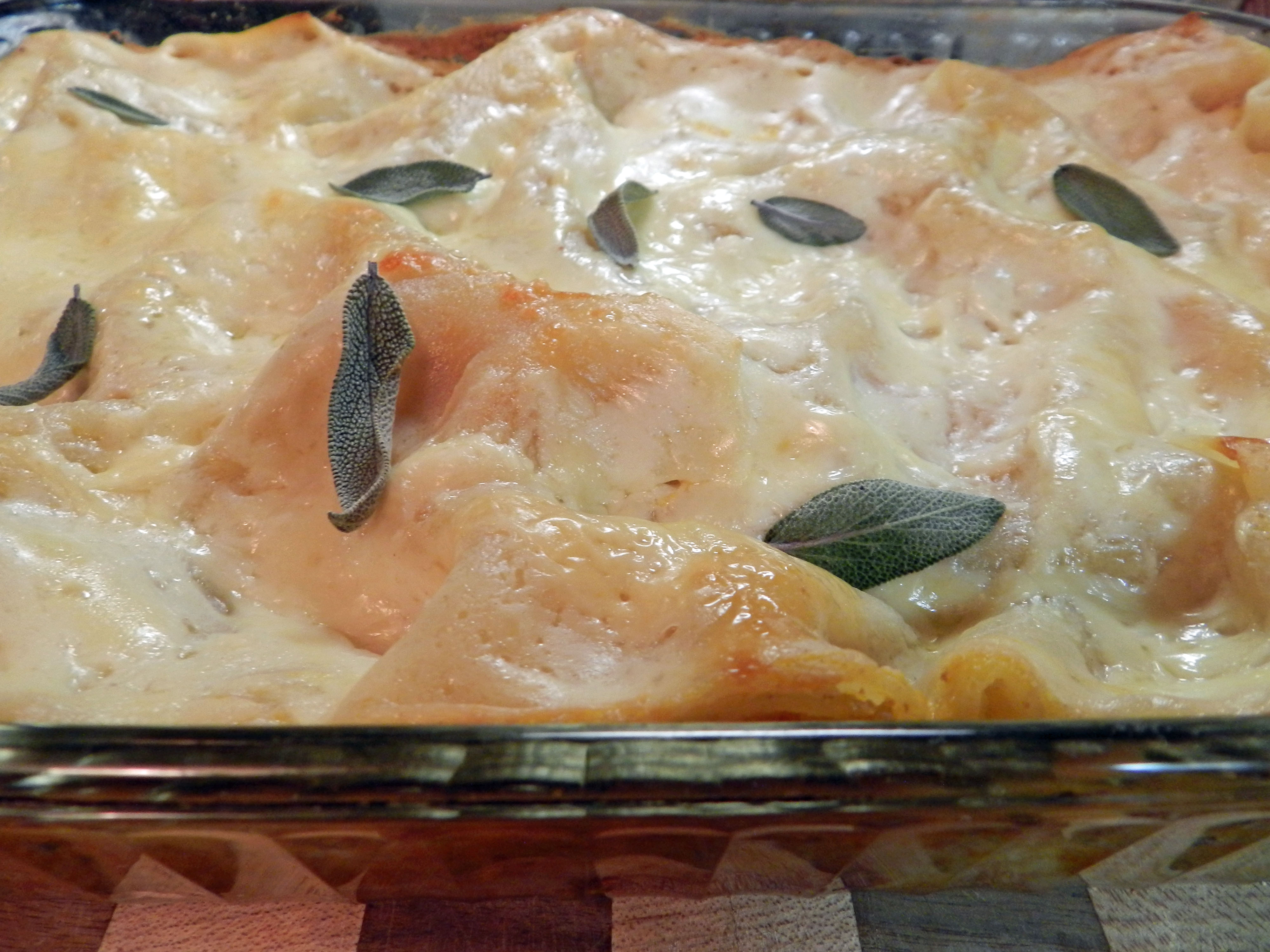
Butternut Sage Lasagna was the main course for our dinner. If I say so myself, it was good. I think it was even better because we used butternut squash that we grew this summer! It took me a few weeks to create the recipe. After reading it, you might see why. There are a lot of steps: roasting the squash, mashing the cookies (yes, cookies!), making the filling, browning the sage butter, making the Béchamel sauce, assembling the lasagna, and frying the sage leaves. But, please don’t let the number of steps keep you from trying the recipe. It is worth it.
I would also highly recommend growing your own butternut squash if you can. It makes a huge difference in flavor. It also makes a difference in the texture of the squash filling. After baking the home-grown butternut squash, I noticed that it was wetter than usual. I guess because it was so fresh? Not really sure why, but the texture was different from when I roast store-bought butternut squash. I knew I needed to do something because I didn’t want the filling too runny. So I removed some of the moisture by squeezing the cooled squash over a sieve. And I added more cookie crumbs. It worked.
We served this with oven roasted broccoli. I used an Ina Garten recipe. Here’s her recipe: http://www.foodnetwork.com/recipes/ina-garten/parmesan-roasted-broccoli-recipe/index.html
As I mentioned, this lasagna takes several steps, so figured I’d break the steps into separate recipes – butternut squash filling, sage brown butter, béchamel sauce, the assembly of the lasagna, and an optional garnish of fried sage leaves.
Butternut Squash Filling
2-3 medium butternut squash, about 6-7 pounds
⅓ cup loosely packed fresh sage leaves, coarsely chopped
7 or 8 ounce tub mascarpone (I’ve seen both sizes at the store, either will work)
7 ounce package of amaretti cookie, mashed into crumbs*
½ teaspoon salt
¼ teaspoon white pepper (black is fine too)
few grates of fresh nutmeg
Preheat the oven to 400º degrees F. Cover a sheet pan with aluminum foil (roasting whole butternut squash can be drippy and messy). Place the whole butternut squashes in the pan. Roast for about 2 hours until soft. You can test it by squeezing it to see if it gives (it will be hot, so I recommend a handy-dandy pot holder to keep your fingers healthy and burn-free!). While the squash is roasting, you can prep the other layers ingredients.
When the squash is ready, remove from the oven. Holding the squash with a tea towel, carefully split it open lengthwise. Then, use a spoon to scoop out the seeds and fiber strings, and discard. Scoop the flesh into a bowl, if cooked properly, it should come away from the skin easily. If it doesn’t come away from the skin easily, it might need more roasting (just pop it back in the oven).
Mash the squash with a fork or a potato masher. Stir in the chopped sage and the mascarpone. Mash until smooth and soft (you can use more mascarpone if needed). You want a soft, spreadable consistency. Season with salt, pepper, and nutmeg. Stir in the amaretti crumbs. Cover and set aside while you prepare the other ingredients. Or you can put the mixture in a re-sealable bag and set aside. When you are ready to assemble the lasagna, you can snip off the corner and squeeze out the butternut squash filling. Some might find it easier than spreading it on the layers with a spoon or a spatula.
If you have extra filling, you can use it for ravioli. Or you can use it as a sauce for pasta (just add a little of the pasta water to thin it and make a sauce).
Sage Brown Butter
6 tablespoons butter
6 sage leaves
While the squash is cooking, heat the butter in a small saucepan over low-medium heat. You want to heat it until the butter is foamy and is light brown. Watch carefully, so it doesn’t burn. This can go from smelling nutty and delicious to burned in an instant! Remove from the heat and stir in the sage. Let the sage and butter infuse for about 10 minutes. Then strain the mixture into a small bowl. You can strain it with a metal strainer or use cheesecloth. If the butter starts to solidify, microwave for a few seconds before using. You will use some to grease the baking dish and some for the white sauce.
Béchamel Sauce (Basic White Sauce)
3 tablespoons butter
3 tablespoons flour
¼ teaspoon salt
¼ teaspoon white pepper (black is fine too)
3 cups milk (I had trouble with Lactose-free low-fat milk, recommend 2% milk)
¼ teaspoon freshly grated nutmeg
4 tablespoons sage brown butter (see previous section)
In a medium saucepan, melt the butter over low heat. Whisk in the flour and continue whisking until smooth and incorporated. Cook over low heat, constantly stirring for 4 to 5 minutes (this minimizes the “raw flour” taste). Do not let it brown. Whisk in the milk and continue cooking until smooth and thickened. Whisk in all but about two tablespoons of the sage browned butter, reserve the rest. Whisk in the nutmeg and salt. Set aside. This is slightly thinner than your typical Béchamel sauce. That’s ok, that’s how you want it for this lasagna.
Assemble the Lasagna
16 ounce package oven-ready lasagna sheets
8 ounces Fontina cheese, grated**
To assemble the lasagna, pour about 1-2 tablespoon of the sage brown butter into the bottom of a 9x13x2 inch glass baking dish. Swirl to coat the bottom of the dish. This will prevent the noodles from sticking or drying out. But don’t use too much or it will be greasy. Cover the bottom with a layer of noodles. Spread ⅓ of the butternut squash mixture evenly over the noodles. Add another layer of noodles. Spread ⅓ of the white sauce. Sprinkle with ⅓ of the grated Fontina cheese. Continue to layer until you are out of ingredients (probably two more times). The top layer will be béchamel and a final sprinkle of Fontina. You can decorate with sage leaves or you can leave plain and then top with the fried sage leaves after baking. The lasagna can sit for several hours in the fridge before baking.
Cover with foil. You might want to grease the foil just in case it touches the cheese. Another option is to leave the last layer of cheese off and then top the lasagna when you remove the foil for the last 10 minutes. Bake at 400º degrees F for 25-30 minutes or until it is bubbling. Remove the foil and cook another 10 minutes. Remove from heat and let it sit at least 10 minutes before slicing and serving.
Optional Fried Sage Garnish
6-9 fresh sage leaves
3 tablespoons butter (or clarified butter)
This step is similar to making the sage brown butter; however, you fry the sage on both sides until it is crispy. If you want it super-crispy, I would do this step while the lasagna is resting.
In a small frying pan, melt the butter over low-medium. Once the butter is golden brown and starts to bubble, add sage leaves. Fry sage leaves on both sides, until crispy. Drain on paper towels.
Notes:
*Note about cookies in lasagna: It sounds weird to use cookies in lasagna, but it’s delicious! Trust me. I use D. Lazzaroni and Company Amaretti Cookie Snaps. I usually buy them at The Fresh Market. You can also sometimes find them at TJ Maxx. You’ll need almost an entire bag (I usually eat a few while I’m cooking). It’s okay if some are missing! The amount of cookies you need depends on the moisture-level of the butternut squash. I’ve made this before and didn’t need as many as the recipe requires (more to nibble)! The last time I made it the squash had a lot of moisture, so I used more crumbs (good thing I had two bags!).
You want the cookies crushed. You can either pulse them in a food processor or put them in a re-sealable bag and roll them with a rolling-pin or crush them by hand. You want them crumbly, but a few chunks are fine. The final texture really depends on your preference (I prefer them finely ground). You want about 1½ cups of crumbs.
If you can’t find amaretti cookies, you can use regular lady finger cookies (a little easier to find). Pulse ¼ cup of almonds in a food processor until they are crumbly, add a package of lady fingers, and a ¼ teaspoon of almond extract. Or, you can bake your own if you are feeling really ambitious!
**Note about Fontina cheese: Fontina is a wonderful cow’s milk cheese. Fontina cheese has been made in the Aosta Valley in Italy. If you can find Fontina in the US, it is often the Danish version. It can be distinguished from Italian Fontina by the red wax rind (Italian Fontina has a natural rind due to aging, which is usually tan to orange-brown). The Danish Fontina is great in the recipe. Fontina is not the easiest cheese to find, so substitutions might be necessary. Emmentaler or Gruyère can be used. However, they can also be difficult to find in some stores. So you can use a blend of Parmesan, Mozzarella, and Provolone (or just use an Italian blend from our grocery store). Not the same, but it will work.
Italian Dinner Menu – Starters
 These are the recipes for the starters and salad we served at the Italian Dinner. I posted the Tuscan White Bean Dip a few weeks ago. Matt made most of the starters and the salad. So glad I married someone who likes to cook! He made the marinated olives and they were delicious! The only complaint – we needed to serve them with a spoon so people could eat the juice with their bread. Silly hosts, we only put out toothpicks!
Marinated Olives with Orange
1 teaspoon cumin seeds
1 teaspoon fennel seeds
16 ounces mixed olives (green, purple, black – any combination works)
2 teaspoons grated orange zest
2 teaspoons grated lemon zest
2 shallots, minced
pinch of cinnamon
2 tablespoons balsamic vinegar
2 tablespoons white vinegar
¼ cup olive oil
2 tablespoons orange juice
1 tablespoons fresh mint chopped
1 tablespoon fresh parsley, chopped
¼ teaspoon salt
¼ teaspoon pepper
Dry roast the fennel and cumin seeds in a small, heavy-bottom pan on medium heat. You want them to heat them until they start to pop, but be careful because they can burn quickly. Shake or stir frequently. Remove from heat and let the seeds cool. Place the seeds in a large container with a lid. Add the olives.
Mix the orange zest, lemon zest, shallots, cinnamon, balsamic vinegar, white vinegar, olive oil, orange juice, mint, parsley, salt, and pepper. Pour over the olives and toasted seeds. Mix, cover, and refrigerate for at least 1 day before serving.
Crostini with Roasted Garlic
3 heads garlic, whole
2 tablespoons olive oil
pinch of Kosher salt
pinch of freshly ground black pepper
1 loaf of Italian or French bread, in ½” slices (thinner if you prefer, I like ¼”)
¼ cup Parmesan cheese, freshly grated (optional)
Preheat oven to 375ºF. Remove the outer, papery layer of skin on the garlic heads. However, leave the skins of the individual cloves intact. Use a sharp knife to cut off a ¼ to ¾-inch slice from the pointy end of each garlic head. Place the bulbs in a garlic roaster (if you have one, we do not), an over-proof container, or you can wrap them in foil. Drizzle the garlic with olive oil, then sprinkle with salt and pepper. Cover with a lid or use foil. Bake for 50-60 minutes until the garlic is soft.
Let the garlic cool, and then use your fingers to squeeze the roasted garlic out of the cloves. Or you could use a tiny fork or a butter knife to remove the garlic.
Put the garlic in a bowl, mash with a fork. Add a little more olive oil if it is too dry (you can use the oil from the garlic roasting if you want). The mixture should be spreadable.
Toast the bread, the oven should still be hot from roasting the garlic. Spread with the garlic. Sprinkle with Parmesan cheese. Serve.
Caprese Crostini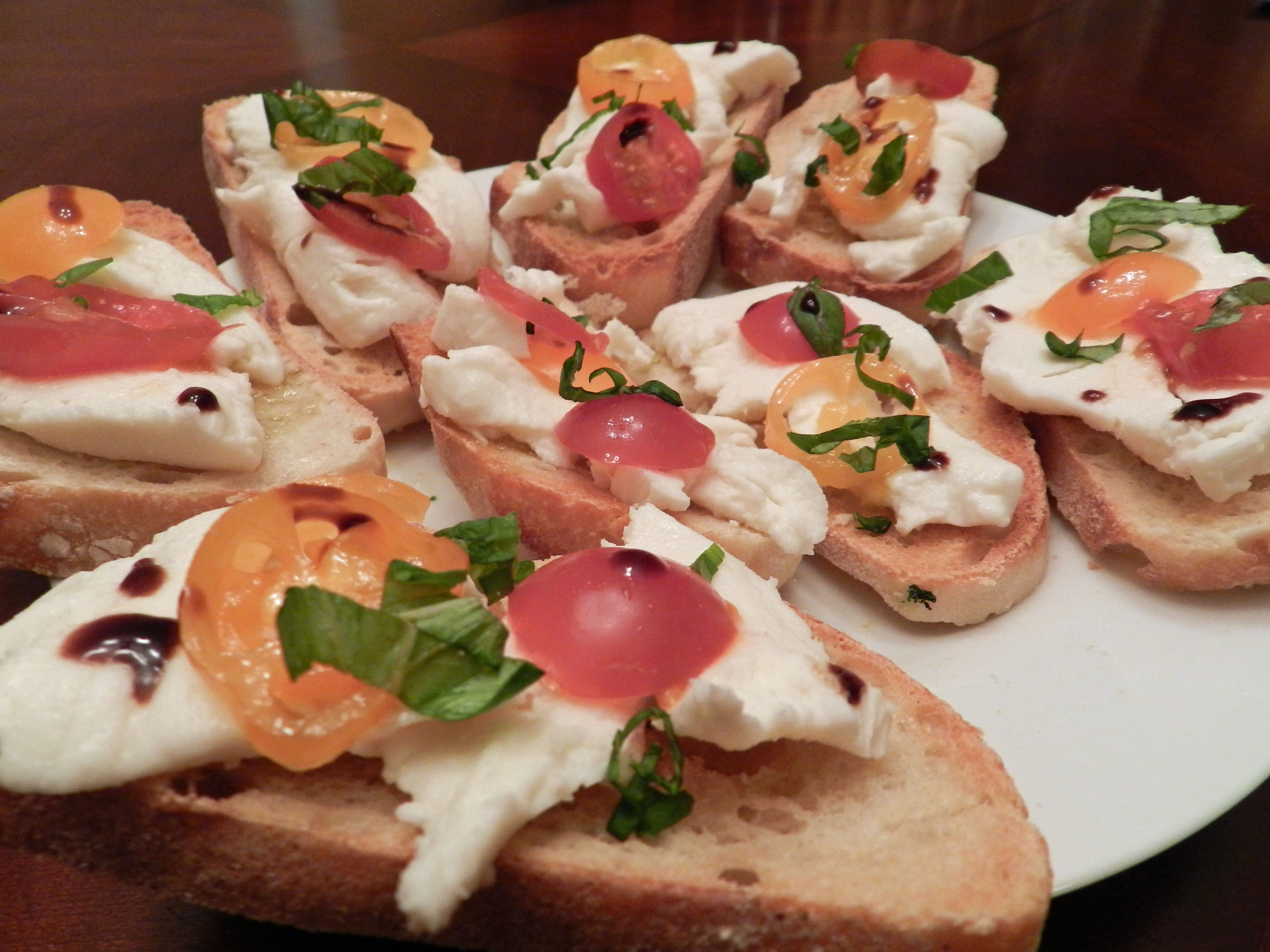
For this recipe, there are no quantities. You’re basically making little open faced tomato and cheese sandwiches. Make as many or as few as you want. I’m just listing the ingredients so you know what you need:
Italian or French bread, in ½” slices (thinner if you prefer, I like ¼”)
raw clove of garlic
tomatoes, either Roma, cherry, grape, or regular (whatever is in season and looks good)
fresh mozzarella
fresh basil, thinly sliced
olive oil
Balsamic vinegar (Balsamic Vinegar Reduction, sold in some groceries and gourmet markets or you can make your own)
Kosher salt
black pepper, freshly ground
Toast bread. Rub the bread with a raw clove of garlic. Drizzle the bread with olive oil. Top with a slice of mozzarella. Slice the tomatoes, and put a slice on top of the cheese. Sprinkle with salt and pepper. Sprinkle with the basil. And drizzle with balsamic vinegar.
Fennel and Orange Salad
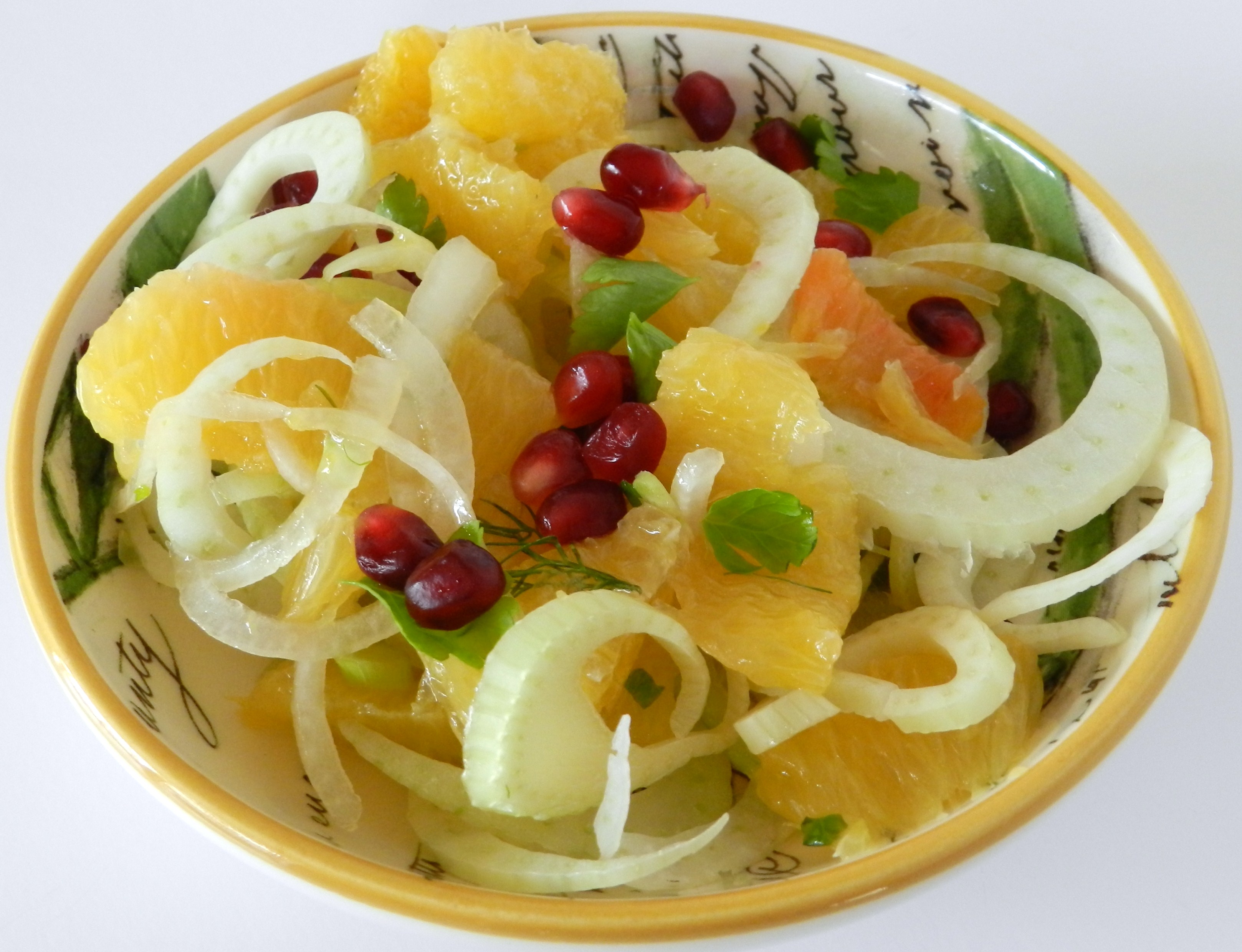
This is the salad Matt made for the Italian Dinner. It was the first time he’d made the salad so it was basically an experiment. But it worked out well and was a big hit. I’m not a huge fennel fan but I really liked the salad. He used one orange per person. This is a versatile recipe and can be scaled up or down. He used pomegranates, but if you don’t like them or if they aren’t in season, you could use dried cranberries. For a totally different taste, you can mix it up and substitute sliced ripe olives for the pomegranates and add some red chili flakes for a touch of heat.
8 oranges (he used a combo of Valencia, navel, and blood oranges)
1 teaspoon orange zest
3 tablespoons orange juice
¼ cup olive oil
¼ teaspoon Kosher salt
¼ teaspoon freshly ground black pepper
4 fennel bulbs, thinly sliced
1 mild medium sized white onion, thinly sliced
½ cup pomegranate seeds
Wash and dry the oranges and then Zest some of the orange (no white pith) and reserve it for the dressing (about 1 teaspoon).
Section the oranges. To me, the easiest way is to slice off the top and bottom. Set the orange flat on a cutting board, and then use a knife to carefully remove the peel along with all of the pith. I cut from top to bottom vertically, following the orange’s curve. To remove all of the peel and pith, you will probably end up cutting some of the juicy flesh, but that’s ok. It’s better to not have the pith. While working over a bowl, take your knife and cut out each individual section of the orange. You’ll be left with a bunch of pith, squeeze this to remove any juice. Another way to section an orange is to cut the orange in half and use a spoon to scoop out the pulp, kinda like you would do with a grapefruit. Reserve at least 3 tablespoons of the juice for the dressing. Drink the rest (if you want!).
Mix the olive oil, orange juice, orange zest, salt, and pepper. Toss this with the orange sections, fennel, and onion. Sprinkle with pomegranate seeds and serve.
Note: I’m having some font/style issues with WordPress today, sorry if there are inconsistencies. Also, issues with spacing and proofreading. I’m frustrated and tired of tinkering with it, so I’m just gonna post “as is.”
Happy Year of the Dragon!
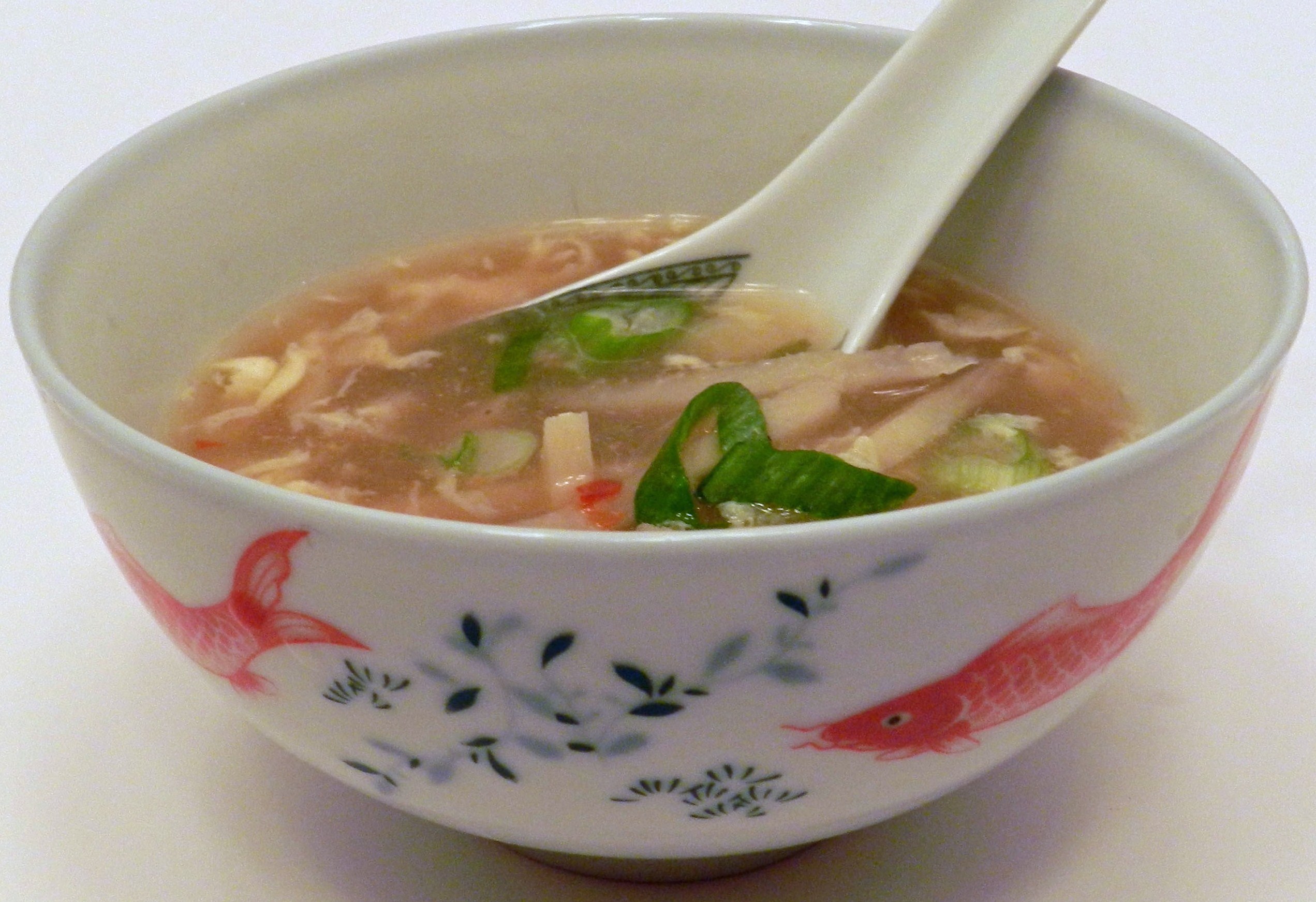 The recipes from our Italian Dinner are on hold for a few days. The first two recipes are Matt’s creations and I need to get his input this weekend. So, thought I’d be somewhat timely with this post about the Chinese New Year, even though we were late celebrating it this year. The New Year kicked off on January 23, 2012 and continues until February 9,2013. This year is a Water Dragon Year and according to things I’ve read, it is supposed to be a lucky year! Wishing everyone good fortune and a happy year! On Wednesday, I had some extra time and decided to make some dishes from my childhood. Matt came home to hot and sour soup and fried rice. The original recipes came from a Chinese cookbook my parents had back in the ’70s. We’ve modified the recipes over the years. Just once, I wish I could have egg rolls like the ones we used to make…they were so good, I found some notes in the book that might be part of their egg roll recipe, it’s something to experiment with in the future. But I digress, back to soup and rice…
Both of these recipes are very customizable. They can easily be made vegetarian (even vegan if you want). Don’t eat pork? Use chicken, tofu, or mushrooms. Don’t like tofu? Use meat or vegetables. Don’t like water chestnuts? Use bamboo shoots or onions. No dried mushrooms? You can use fresh. Want more veggies? Add carrots, corn, or mushrooms. Substitute brown rice for long-grain white rice. You can also change the spiciness of either dish. We like things spicy, so these recipes are geared towards our tastes (I add even more pepper than the recipe). Feel free to omit the hot pepper and use less black pepper, white pepper, or cayenne. Start with a little and add more as you see fit. Same with the salt, soy sauce, vinegar, and sesame oil (you can even use hot pepper sesame oil instead of toasted sesame oil). Start with a little then increase as you want.
One more note – this is about ingredient size: When making the soup, you want all the ingredients cut into thin matchstick shapes. For the fried rice, you want the ingredients cut into cubes, everything roughly the same size. Having ingredients that are of uniform shape and size helps everything cook evenly, plus it looks nice (please don’t look too closely at the photos, I was in a hurry!)
Ok, enough about customizations and ingredient sizes, you get the point. These recipes are just a guide…have fun with them and make them your own!
Hot and Sour Soup
4 dried Chinese mushrooms (this is about an ounce)
1 tablespoon canola oil (or peanut oil)
½ cup lean pork, sliced thinly
1 small piece (½”-1”) fresh ginger, peeled and grated (optional)
1 small hot finger pepper, thinly sliced (optional)
½ cup canned bamboo shoots, sliced into thin matchsticks
1 tablespoon soy sauce
2 tablespoons white vinegar (I use 3-4 tablespoons) or rice vinegar if you prefer
1 teaspoon salt
½ teaspoon white pepper, ground
½ teaspoon black pepper, ground
¼ teaspoon cayenne, ground
32 ounces chicken stock
1 block firm tofu, drained and sliced into ¼” strips
2 tablespoons cornstarch
4 tablespoons water
1 large egg, beaten
½ teaspoon toasted sesame oil
3 green onions, sliced, for garnish
Put the mushrooms in a small bowl and cover with boiling water. Let stand for 20 minutes. Drain and rinse the mushrooms and slice into thin strips.
Heat the oil in a large pot over medium heat. Add the mushrooms, pork, ginger, hot pepper, and bamboo shoots. Stir and cook for a few minutes. Combine the soy sauce, vinegar, salt, and peppers in a small bowl. Pour this mixture into the pot with the pork and veggies. Add the chicken stock and bring the soup to a boil. Simmer for 9 minutes. Lower the heat and add the tofu. Cook for another 3 minutes.
Dissolve the cornstarch in the water and stir until smooth (a cornstarch slurry). Mix this slurry into the soup, stir constantly until the soup thickens, about 3-4 minutes. Remove the soup from the heat, and slowly pour in the beaten egg. Egg strands should form immediately (looks kind of like egg drop soup). Add the sesame oil and stir gently. Garnish the soup with chopped green onions and serve.
 Fried Rice
4 cups cold cooked long-grain rice
4 large eggs
¼ teaspoon salt
1 tablespoon water
3 tablespoons canola oil (or peanut oil)
1 small white onion, chopped
1 small hot finger pepper, thinly sliced (optional)
½ cup lean pork, diced into cubes
½ cup chicken breast, diced into cubes
½ cup cooked ham, diced into cubes
4-6 fresh mushrooms, chopped
6 large shrimp, peeled, deveined, and chopped
4-6 water chestnuts, diced into cubes
½ cup frozen peas, thawed
2 tablespoons soy sauce
1½ teaspoons toasted sesame oil
3 green onions, sliced, for garnish
Cold rice tends to get clumpy, so use your fingers or chopsticks to separate the rice. In a small bowl, beat the eggs with the salt and water. In a small frying pan, scramble the eggs until just set. Remove from the pan and set aside.
Heat the oil in a wok or a large skillet (you want it very hot, but not smoking or burning). Add the onion and pepper, and cook for about 1 minute. Add the pork and the chicken. Stir fry for about 2 minutes. Add the ham and mushrooms. Stir fry for another minute. Add the shrimp and water chestnuts. Stir fry another minute. Add the rice, soy sauce, and sesame oil. Stir fry 1-3 minutes. Add the peas and the scrambled eggs. Stir gently and make sure everything is heated through. Garnish with green onions.
Italian Dinner Menu
Last night, Matt and I hosted a fundraising dinner for our UU Church. Six friends purchased an Italian dinner complete with a photo slideshow from our recent honeymoon trip to Italy. No, we didn’t force people to watch the slides before they ate!
Some of the recipes have already been blog posts. Be on the look out for future posts with some of the other recipes. Here’s the menu:
Selection of Italian Beverages
White Wine ▪ Red Wine ▪ Prosecco ▪ Peroni ▪ Pellegrino Sparkling Mineral Water
Marinated Olives with Orange
Selection of Olives with Orange and Balsamic
Crostini with Various Toppings
Tuscan Lemon, Almond, and Rosemary Bean Spread ▪ Garlic, Olive Oil, and Salt
Caprese with Mozzarella, Tomato, and Basil ▪ Roasted Garlic Spread with Parmesan
Orange and Fennel Salad
Fresh Oranges, Fennel, Parsley, Pomegranate, and a Citrus Vinaigrette
Oven-Roasted Broccoli
With Pine Nuts, Lemon, Garlic, Basil, and Parmesan
Butternut Squash and Sage Lasagna
Butternut Puree with Almond and Nutmeg, Béchamel Sauce, Sage Brown Butter, and Fontina Cheese
Duo of Desserts
Caramel Panna Cotta with Chocolate Sauce and Finishing Salt
Apricot, Pine Nut, and Almond Cake
Selection of Coffee and Liqueurs
Espresso, Coffee, Homemade Limoncello and Coffee Liqueur
Post 13/13 – Old-Fashioned Oatmeal Raisin Cookies
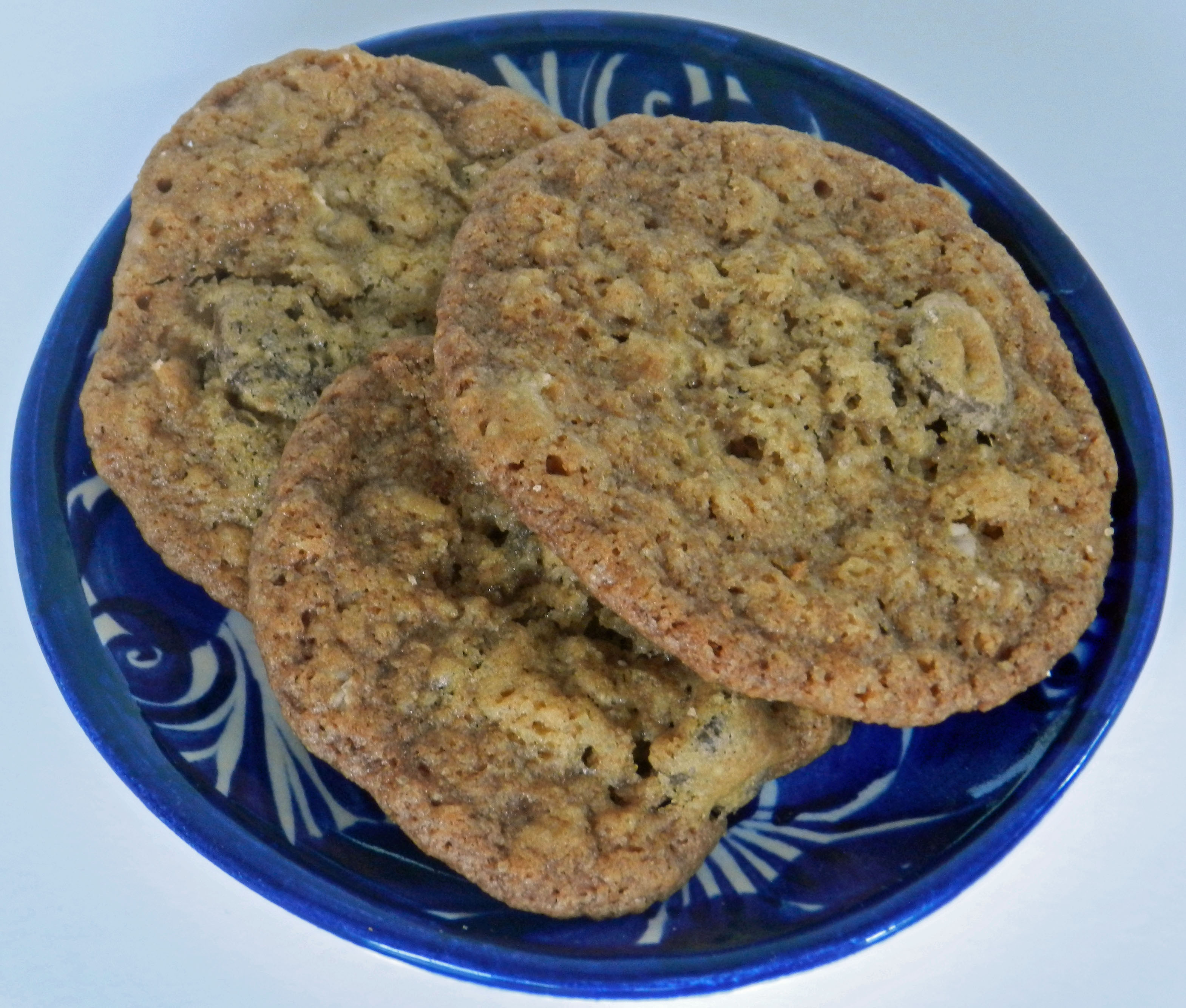
Well, today marks the last day of the Baker’s Dozen of Blog Posts I started back on the 6th. It’s been fun. I’ve experimented with new recipes. I’ve received excellent feedback and comments from people (thank you!). I’ve started a habit of writing every day. I’ve “met” some nice people and discovered several interesting blogs. Glad I did it!
Wasn’t sure what to use as my “final” post and Matt suggested this one. This is one of our favorite cookies. I like to use the jumbo raisin medley from Trader Joe’s (but beware, the raisins are huge and you gotta love raisins if you use them). The “secret” to this cookie is soaking the raisins in the eggs and vanilla. It makes them plump up and stay moist. You could also use dried cranberries in place of the raisins. Depending on how moist they are, you can choose to soak them in the eggs and vanilla or just mix them in later. If you decide to use chocolate covered raisins instead of regular raisins, don’t soak them in the eggs. Just add the eggs and vanilla after you cream the butter and sugars.
Oatmeal Raisin Cookies
3 eggs
1½ teaspoons vanilla
1 cup raisins (or dried cranberries)
1 cup butter
1 cup light brown sugar, packed
1 cup sugar
2½ cups all-purpose flour
½-1½ teaspoons cinnamon (or apple pie spice), amount depends on your preference
2 teaspoons baking soda
½ teaspoon salt
2 cups old-fashioned rolled oats (not quick cooking)
1 cup pecans or walnuts, chopped (optional)
Possible substitutes for raisins: dried cranberries, chocolate chips, butterscotch chips, or chocolate covered raisins
Preheat the oven to 350ºF. In a medium bowl, beat the eggs and add the vanilla. Stir in the raisins. Let this sit on the counter while you make the cookie dough.
In a large mixing bowl, cream the butter, brown sugar, and sugar. Sift together the dry ingredients (flour, cinnamon, baking soda, and salt). Stir the dry ingredients into the creamed mixture. Then stir in the raisin mixture, rolled oats, and nuts.
Drop by teaspoonfuls 2 inches apart on parchment-lined cookie sheets. Bake for about 8 to 10 minutes or until lightly browned. If you like thinner, crisper cookies, then you can use the “Katie Whack Method” – midway through cooking, pick up the cookie sheet (using a handy-dandy pot holder), and whack the cookie sheet on the oven rack so they deflate. Remove from baking sheets and cool on racks.
Post 12/13 – Italian Lentil and Pea Soup with a Pesto Swirl

One of the many beautiful sunsets we saw in Levanto, Italy
Once again, I took liberties with my naming. Italian might be a misnomer, but I made up this soup using a few ingredients we bought in Italy, so I called it “Italian.” The rest of the ingredients came from our pantry or Garden Cove. It was a pantry soup, tried to use what I had on-hand.
We bought the pesto in Levanto and the orzo pasta in Milan. The recipe is also inspired by a soup we had in Levanto. We had dinner at Ristorante da Rino, at the recommendation of our friend and host, Claudio. It was one of the best meals we had on our trip. My favorite part of dinner was the minestrone soup. Their soup rivaled some of the food at the slow food restaurant, La Pallotta, in Assisi (one of the best meals of my life). It was a thick, creamy bean soup with a pesto swirl, a drizzle of olive oil, and a sprinkle of Parmesan. Nothing like the thin, tomato-based soup served in the States.

Pesto: We visited and fell in love with Liguria, a region in northwest Italy. It is famous for its cuisine, particularly pesto. For good reason – the local pesto is incredible! We brought home a few jars. The pesto we bought includes cheese, so this dish isn’t vegan but it is vegetarian friendly. You could easily make it vegan by using a pesto with just basil, walnuts (or pine nuts), olive oil, and garlic and leaving off the optional Parmesan sprinkle garnish. It would probably be even better if you made fresh pesto. But there was something special about using a jar of pesto from a cute little shop in Levanto.
Orzo pasta: We also bought back orzo pasta. Orzo pasta is pasta in the shape of large grains of rice. It is also called risoni. Luckily, you can find it in many grocery stores here. It was just kinda cool using a bag from a fancy-dancy department store in Milan. Orzo is often used in soups. I love it in lentil soup, split pea soup, and chicken soup. Since this soup is a combination of split pea and lentil soup, I thought it would be a good addition. This soup is thick, more like a stew, so I pre-cooked the orzo in salted boiling water and then drained it before adding to the soup.
I made this soup a few weeks ago. I wrote down the ingredients on the back of an envelope. I have so many scraps of paper with a list of ingredients, it’s kinda ridiculous! Slight problem, I didn’t include the directions. So, I’m trying to recreate it in my mind. Hope it isn’t too scattered.
Italian Lentil and Pea Soup with a Pesto Swirl
10 oz. (approx. 2 cups) of fresh sugar snap peas (frozen sweet peas would work too)
3 tablespoons olive oil
4 stalks of celery, chopped
1 onion, chopped
2 cloves of garlic, chopped
1 cup lentils (I used Turkish red lentils)
4 cups water
1 teaspoon salt
¼ -½ teaspoon black or cayenne pepper (or Penzeys’ Black & Red Blend)
½ teaspoon dried parsley
1 bay leaf
½-1 cup of cooked orzo pasta (depends on how much you like pasta!)
pesto, for garnish
olive oil, for garnish
freshly grated Parmesan, for garnish
If you use fresh pods, use everything – pods and peas (might want to remove the string if they are stringy). You can also use frozen peas or frozen peas in the pod. Cook the peas until just tender in a small saucepan on the stove or zapped in the microwave. Mash them with a fork or purée with a hand blender. Set aside.
In a large heavy-bottomed pot sauté the celery, onions, and garlic in the olive oil, until soft. Stir in the lentils, water, mashed peas, salt, pepper, parsley, and bay leaf. Cover and simmer on low for about hour or until the lentils are tender. Check every 20 minutes or so to see if it needs more water. Add water as needed. Remove the bay leaf. Purée some of the soup or mash it (depends on how much texture you want). Add the cooked orzo pasta. Serve with a swirl of pesto, a drizzle of olive oil, and a sprinkle of Parmesan.
Post 11/13 – Oven Roasted Butternut Squash
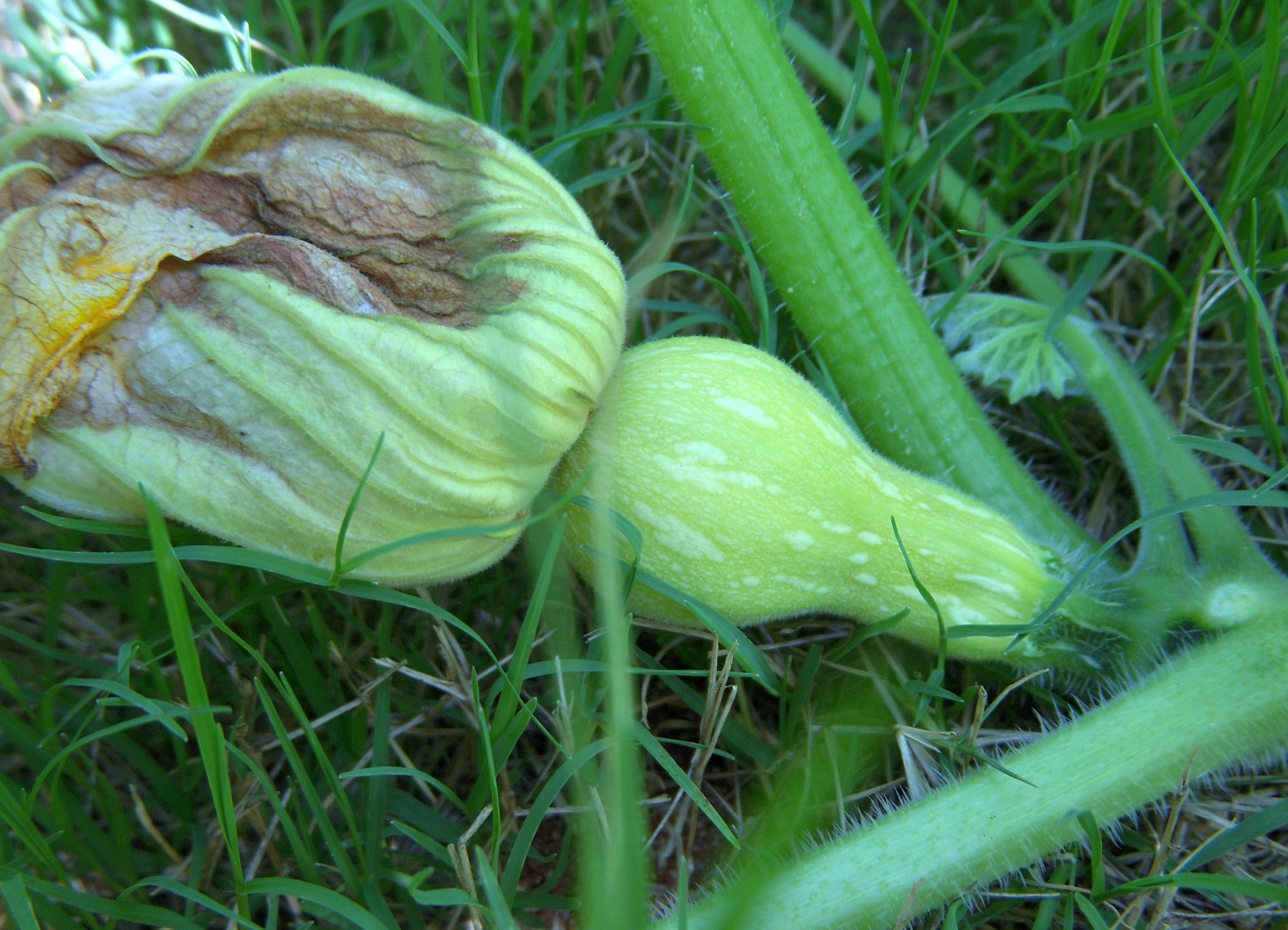 This summer, Matt and I tried our hand at raised bed gardening. We were fairly successful with some vegetables: butternut squash, zucchini, radishes, lettuce, sweet potatoes, tomatillos, and tomatoes. We were not so successful with green beans, yellow crookneck squash, and cucumbers. Thank goodness for local farmer’s markets!
Butternut squash was probably the most rewarding vegetable we grew. They matured faster than expected. The vines lasted a long time. We had a few separate harvests with good yields! We still have some. It’s one of our favorites, and it’s even better home-grown.
One night via Facebook, my friend Shelli asked me for butternut squash recipes. I gave her a few ideas: butternut and sage lasagna, butternut ravioli, and a butternut soup. She said these suggestions sounded good, but she wanted something fast since it was a week night. So I responded with my quick and easy roasted butternut squash recipe.
Oven Roasted Butternut Squash
1-3 Butternut squash, cut into ¼”-1” chunks/cubes
1-4 tablespoons olive oil
Kosher Salt
Pepper (black and/or cayenne)
Optional seasoning: cumin, Aleppo pepper, and chipotle pepper
Optional veggies: golden beets, sweet potatoes, onions, potatoes, parsnips, and carrots
Preheat your oven and a cookie sheet with a lip (sheet pan or jelly roll pan) covered in foil (this makes clean up much easier) to 450º degrees F. While preheating the oven and the cookie sheet, prepare your butternut squash (and any other vegetable you want to roast, like golden beets, sweet potatoes, onions, potatoes, parsnips, and carrots). You can also add chopped garlic, but wait until the end to add it or it might burn.
Butternut squash can have a tough peel that makes them a little difficult to prep. To me, the easiest way is to use a sharp chef’s knife to cut off the stem end and the bottom end. This makes it more stable. You can rest it on towel-covered cutting board and then use a vegetable peeler to remove the peel. It seems easier to peel top to bottom before you cut it. Remove the peel and cut off the neck. Then, slice the bottom lengthwise. Use a large, study spoon or an ice cream scoop to remove the seeds. It’s like cleaning a pumpkin for a jack-o-lantern, but not as messy. Slice it into half moons and then cut them into chunks/cubes. You probably want the chunks about ¼” to 1” and relatively the same size. Unless you are like me and you like some pieces tender and some crispy, then cut some pieces 1” and others about 1/4”.
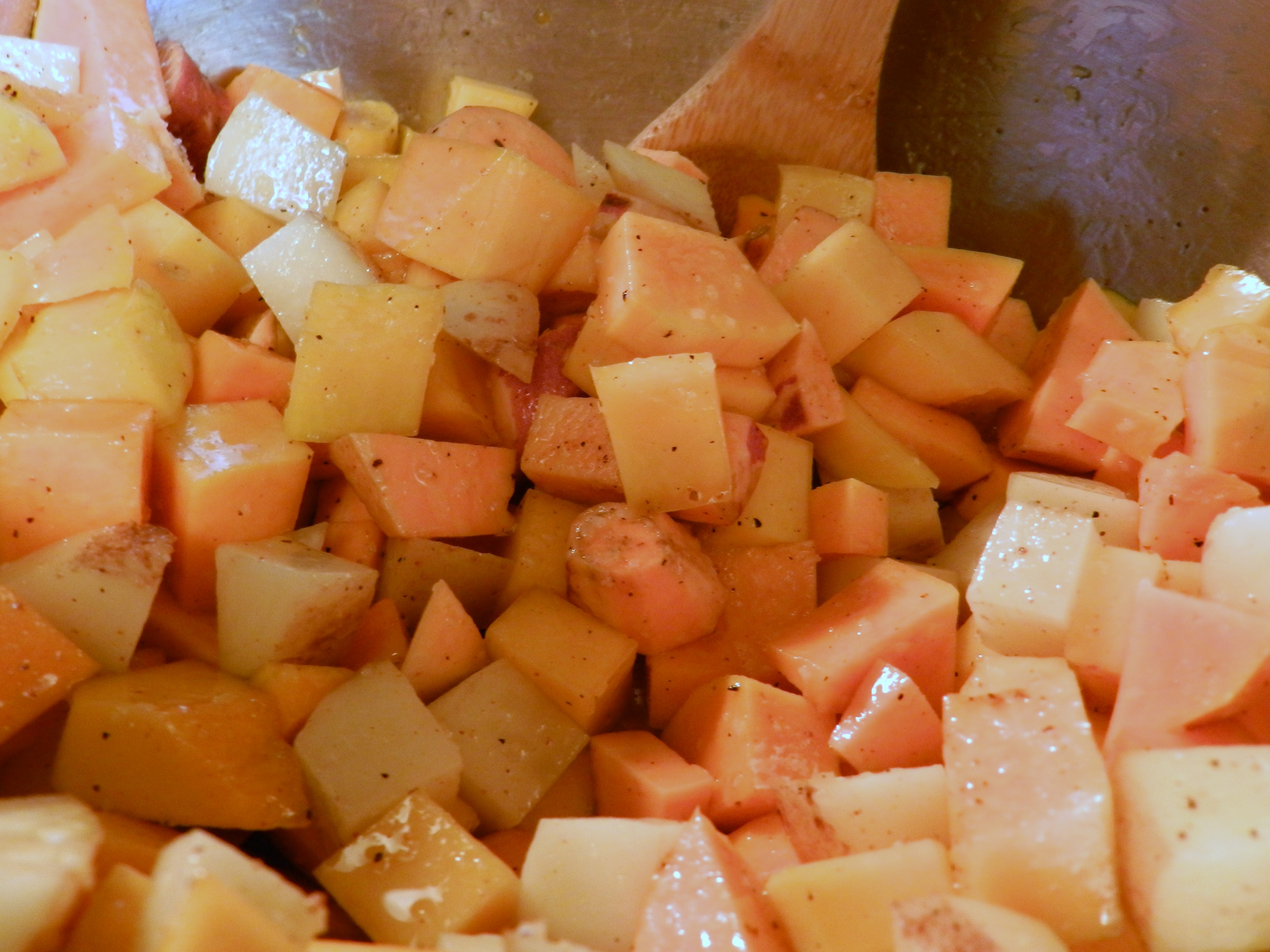 Place the squash chunks in a mixing bowl. Pour in a little olive oil, sprinkle with salt and pepper (I like Penzeys’ Black and Red pepper blend), and any other spices you might like (especially cumin or chipotle pepper).
Carefully spread it evenly on the hot cookie sheet. It should sizzle a bit. Check every 15 minutes and stir. Roast until it gets tender and has a nice color. The cooking time depends on your oven, the temperature of the cookie sheet when you start, and how many vegetables you are cooking. Keep checking. It should probably take about 30-40 minutes, depending on how crispy you like it.


 The Flaming Pot Holder